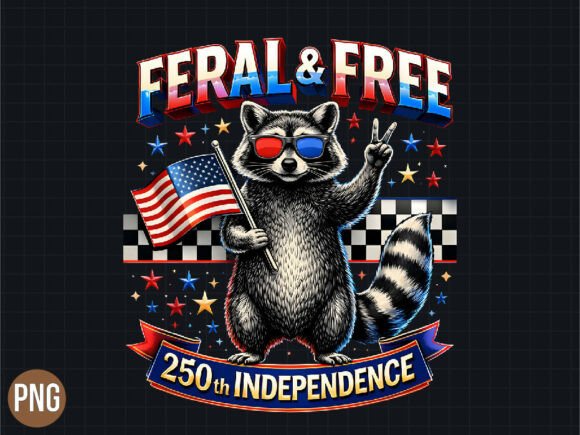
Unlocking the Potential of the Feral and Free Raccoon 250th USA PNG for Professional Designs
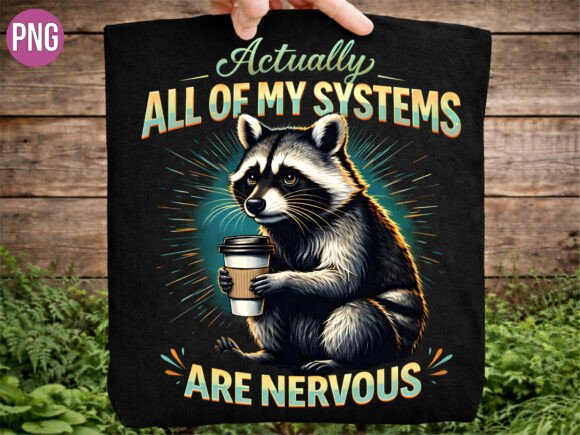
The digital design landscape is crowded with generic assets that often fail to deliver the quality needed for professional projects. When you are looking to create something that stands out, whether for a small business merchandise line or a personal DIY gift, the source material matters immensely. The Feral and Free Raccoon 250th USA PNG represents a specific tier of digital asset designed to bridge the gap between amateur clipart and professional illustration. This high-quality digital design file offers more than just an image; it provides a foundation for crisp, scalable, and versatile creative work. However, acquiring a premium file is only the first step. Many creators stumble not because of the design itself, but due to overlooked details in how they handle, prepare, and apply these files to their final products.
Understanding what makes this specific raccoon design valuable starts with its technical specifications. This is not a low-resolution web scrape. It is a 300 DPI resolution file with a transparent background. For those unfamiliar with print standards, DPI (dots per inch) is the measure of printing resolution. A 72 DPI image might look fine on a smartphone screen, but when printed on a t-shirt or mug, it will appear pixelated and blurry. The 300 DPI standard ensures that every whisker and contour of the raccoon remains sharp, regardless of the physical size of your project. The transparent background is equally critical, allowing you to place the design over any color fabric, ceramic surface, or paper stock without an unsightly white box surrounding the artwork.
Common Pitfalls in File Handling and Preparation
One of the most frequent mistakes creators make occurs before they even open their design software. Upon purchasing and downloading the asset, you will receive a ZIP folder. A surprising number of users attempt to open the PNG file directly from within this compressed archive. This is a critical error. Working from inside a ZIP file can lead to corrupted data, temporary file issues, and ultimately, a failed print job. The software may not be able to access the full resolution or the transparency data correctly if the file path is virtual rather than physical.
The corrective approach is simple but non-negotiable: always unzip and extract the file to a dedicated folder on your hard drive before attempting to use it. This ensures that your editing software has full read/write access to the high-resolution data. Think of the ZIP file as a shipping container; you wouldn't try to build a house while the bricks are still stacked inside the truck. You must unload them first. Taking this extra thirty seconds prevents hours of frustration later when a print comes out grainy or the background isn't actually transparent.
Software Compatibility and Workflow Errors
Another area where efficiency is often lost involves software compatibility. Before integrating the Feral and Free Raccoon 250th USA PNG into your workflow, you must ensure your chosen platform supports PNG files with alpha channels (transparency). While most modern design tools like Adobe Photoshop, Illustrator, Canva, Cricut Design Space, and Silhouette Studio handle these files effortlessly, older or specialized legacy software might flatten the image upon import. If your software does not support transparency, you will end up with a white square around your raccoon, ruining the aesthetic of dark-colored tumblers or navy blue t-shirts.
Furthermore, there is a misconception regarding "editing" raster images. A PNG is a raster format, meaning it is made of pixels. Unlike vector files (SVG or EPS), you cannot infinitely scale a PNG up without losing quality, nor can you easily manipulate individual anchor points of the drawing. Some buyers purchase high-quality PNGs expecting to recolor specific elements or stretch the image to fit a banner without consequence. If you stretch a 300 DPI image too far, you degrade the pixel density, effectively turning your premium asset into a low-quality mess. The better approach is to size your canvas in your design software to the exact dimensions you need for printing before importing the PNG. This maintains the integrity of the 300 DPI resolution.
Maximizing Versatility Across Print on Demand Projects
The true value of this design lies in its adaptability. The "Feral and Free" theme resonates well with current trends in outdoor apparel, camping gear, and nature-inspired home decor. However, applying the same file settings to a greeting card as you would to a sublimation tumbler can lead to subpar results. Each medium has unique requirements.
- T-Shirts and Apparel: When using heat transfer vinyl (HTV) or direct-to-garment printing, ensure your mirror settings are correct if cutting vinyl, or that your color profile matches your printer's capabilities if printing directly. The high contrast of the raccoon design works best on solid colors.
- Mugs and Tumblers: Sublimation requires precise sizing. Because the PNG has a transparent background, you can wrap the design around the curve of a mug without worrying about white edges showing up against the ceramic. Always check the bleed area required by your specific sublimation printer.
- Stickers and Decals: For die-cut stickers, the transparent background allows cutting machines to trace the outline of the raccoon accurately. If you fail to extract the file properly, the machine might try to cut around the invisible square boundary of the ZIP artifact, wasting material.
- Wall Decor and Pillows: Large format prints demand the highest attention to resolution. Do not upscale the image beyond its intended limits. If a pillow requires a 20-inch print, verify that the pixel dimensions of the extracted PNG support that size at 300 DPI.
Evaluating Quality Before Final Production
Before sending your design to a print shop or running your own production batch, a final quality check is essential. Zoom in to 100% or higher on your screen. Look at the edges of the raccoon illustration. Are they crisp, or do you see jagged "stair-step" pixels? If you see jagged edges despite having a 300 DPI file, you likely opened a preview thumbnail instead of the full extracted file. This is a common oversight. Always verify you are working with the master file from your extracted folder.
Additionally, consider the context of your design. The "250th USA" element suggests a historical or commemorative angle. Ensure that the accompanying text or graphics you add complement this theme rather than clash with it. Cluttering the design with too many fonts or competing elements can diminish the impact of the high-quality raccoon illustration. Less is often more when working with strong central imagery.
In the world of digital entrepreneurship and creative hobbies, the difference between a product that sells and one that sits on the shelf often comes down to professional presentation. The Feral and Free Raccoon 250th USA PNG provides the raw material for excellence, but it requires a disciplined workflow to shine. By respecting the file format, extracting your data correctly, understanding the limitations of raster graphics, and tailoring your setup to the specific medium, you transform a simple download into a profitable asset. Avoid the shortcut of skipping the extraction process or ignoring resolution limits. These small corrections in your workflow are what separate hobbyists from professionals who consistently deliver high-quality results to their customers.