Unleashing Creative Potential with a Retro Skeleton Santa Hat Digital Design
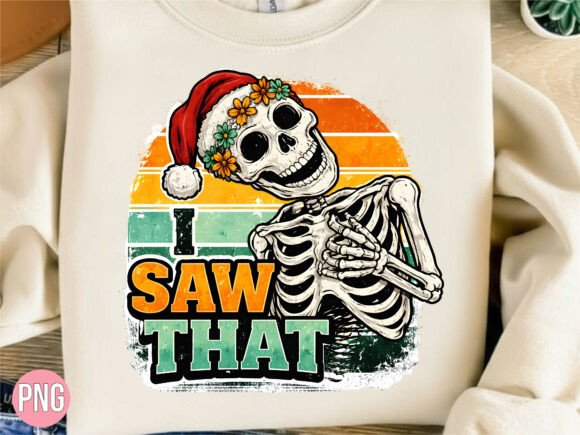
The intersection of holiday tradition and alternative aesthetics has created a vibrant niche within the creative industry. At the forefront of this trend is the Retro Skeleton Santa Hat, a design element that perfectly captures the whimsical yet edgy spirit of modern seasonal decor. For professionals, hobbyists, and small business owners navigating the Print on Demand (POD) landscape, accessing high-quality digital assets is not just a convenience; it is a fundamental requirement for success. This article explores the practical applications, technical specifications, and strategic advantages of utilizing premium digital files, specifically focusing on how a well-crafted skeleton-themed graphic can elevate a wide array of creative projects.
The Evolution of Seasonal Aesthetics in Modern Design
Historically, holiday imagery was confined to rigid conventions: bright reds, pristine whites, and cheerful, realistic depictions of festive figures. However, consumer tastes have shifted dramatically toward personalization and unique stylistic expressions. The Retro Skeleton Santa Hat represents this shift, blending the nostalgia of vintage illustration styles with the contemporary appeal of skull motifs. This fusion appeals to a broad demographic, ranging from goth subculture enthusiasts to general consumers looking for something distinct from mass-market retail offerings.
For educators and researchers observing design trends, this evolution highlights a move away from generic symbolism toward identity-driven decoration. When a creator integrates a skeleton wearing a Santa hat into their work, they are tapping into a cultural moment that values irony, humor, and individuality. Understanding this context is crucial for anyone looking to leverage such designs effectively. It is not merely about placing an image on a shirt; it is about resonating with an audience that seeks authenticity and specific aesthetic alignments during the holiday season.
Technical Excellence: The Foundation of Professional Results
In the realm of digital design, the quality of the source file dictates the quality of the final product. A common pitfall for emerging designers and crafters is the use of low-resolution images or files with incompatible backgrounds. Premium digital design files address these issues by adhering to strict technical standards. When you acquire a high-quality asset, such as the one described in this context, you are typically receiving a PNG file with specific attributes designed for versatility.
The cornerstone of a usable digital asset is its resolution. A file rendered at 300 DPI (dots per inch) is the industry standard for print production. This density ensures that when the image is scaled up for large formats, such as a pillow cover or a wall album, the edges remain crisp and the details do not pixelate. Conversely, web graphics often operate at 72 DPI, which results in blurry, unprofessional outputs when sent to a printer. By prioritizing 300 DPI files, creators ensure that their Retro Skeleton Santa Hat graphics maintain their integrity across all mediums.
Furthermore, the inclusion of a transparent background is a critical feature for seamless integration. Unlike JPEGs, which impose a white or colored box around the subject, PNG files with transparency allow the design to float naturally on any substrate. Whether the base material is a black t-shirt, a clear tumbler, or a patterned scrapbook page, the transparent background ensures that only the intended artwork is visible. This eliminates the need for time-consuming manual editing in software like Photoshop, allowing designers to focus on composition and layout rather than technical cleanup.
Diverse Applications Across Print on Demand Markets
The utility of a versatile digital file extends far beyond a single product type. The Retro Skeleton Santa Hat design serves as a modular component that can be adapted for numerous Print on Demand opportunities. For business owners, this adaptability translates directly into expanded inventory without the need for additional design labor.
- Apparel: T-shirts and hoodies remain the staples of the POD industry. A skeleton graphic works exceptionally well on dark fabrics, creating a striking contrast that highlights the retro styling.
- Drinkware: Mugs and tumblers are high-demand items, particularly during the winter months. The durability of the print relies on the initial clarity of the digital file, making high-resolution inputs essential for ceramic and stainless steel surfaces.
- Home Decor: Pillows and albums offer larger canvases for detailed artwork. The intricate lines of a retro skeleton design can be fully appreciated on these textured surfaces, adding a touch of personality to living spaces.
- Accessories: Stickers and greeting cards provide low-cost entry points for customers. These items are perfect for testing market response to a new design theme before committing to larger production runs.
Each of these applications requires a slightly different approach to placement and scaling, but the underlying asset remains the same. This efficiency is what makes digital downloads so valuable. A crafter can purchase a single ZIP file and immediately begin producing content for an entire holiday collection, maximizing their return on investment and minimizing setup time.
Workflow Optimization for Creators and Small Businesses
Time is the most scarce resource for independent creators and small business owners. The process of sourcing, verifying, and preparing images can consume hours that could otherwise be spent on marketing or customer service. By utilizing pre-prepared, high-quality digital files, professionals can streamline their workflow significantly. The typical process involves downloading a ZIP file, extracting the folder, and importing the PNG directly into design software.
It is imperative, however, to verify software compatibility before beginning. Most modern design programs, including Canva, Adobe Illustrator, Cricut Design Space, and Silhouette Studio, support PNG files natively. Ensuring that your chosen platform handles transparency correctly is a vital step. Once imported, the designer can manipulate the size, rotate the image, or combine it with text elements to create a cohesive composition. Because the source file is of such high caliber, these manipulations do not degrade the visual quality.
For educators teaching digital arts or vocational training, emphasizing the importance of file management is key. Teaching students to organize their assets, understand file extensions, and respect resolution requirements prepares them for real-world professional scenarios. The Retro Skeleton Santa Hat serves as an excellent case study for these lessons, demonstrating how a single digital object can traverse various physical mediums while maintaining aesthetic consistency.
Strategic Considerations for Market Success
While the aesthetic appeal of a skeleton in a Santa hat is undeniable, successful implementation requires strategic thinking. Professionals must consider their target audience and the specific platforms where their products will be sold. Niche markets often respond better to specialized designs than general audiences. Therefore, marketing materials should highlight the unique "retro" and "alternative" aspects of the design to attract the right buyers.
Additionally, understanding the limitations of digital downloads is crucial. It is important to remember that these are digital products; no physical item is shipped. This distinction manages customer expectations and reduces potential confusion in a retail environment. For the buyer, this means immediate access to the tools needed for creation, fostering a sense of instant gratification and enabling rapid prototyping of ideas.
When evaluating the long-term value of such assets, one must consider the evergreen nature of holiday themes. While specific trends may fluctuate, the combination of Halloween and Christmas aesthetics—often referred to as "Creepmas"—has established a loyal following. Investing in high-quality files that cater to this crossover market ensures relevance year after year. The versatility of the Retro Skeleton Santa Hat allows it to be refreshed with different color palettes or paired with new typography trends, extending its lifecycle within a designer's portfolio.
Maximizing Quality in Final Production
The journey from a digital file to a physical product involves several stages where quality can be compromised if not monitored. Print providers vary in their equipment and ink technologies. By starting with a 300 DPI file with a transparent background, the creator provides the best possible foundation for the printer. This minimizes the risk of artifacts, jagged edges, or unwanted background boxes appearing on the final mug, t-shirt, or sticker.
For those involved in research regarding consumer satisfaction, the correlation between source file quality and end-user happiness is significant. Products that look professional and durable generate positive reviews and repeat business. Conversely, pixelated or poorly cropped images lead to returns and damaged reputations. Therefore, the insistence on premium file standards is not merely a technical preference but a business imperative.
In conclusion, the integration of specialized digital assets like the Retro Skeleton Santa Hat into creative workflows offers a multitude of benefits. From the technical superiority of 300 DPI PNGs to the broad applicability across diverse POD products, these files empower creators to produce high-quality work efficiently. Whether for a seasoned graphic designer, a weekend crafter, or an entrepreneur launching a new store, understanding the value of clean, high-resolution digital design is the first step toward achieving professional results in the competitive world of custom merchandise.